Косметический ремонт квартир in 2024: what's changed and what works
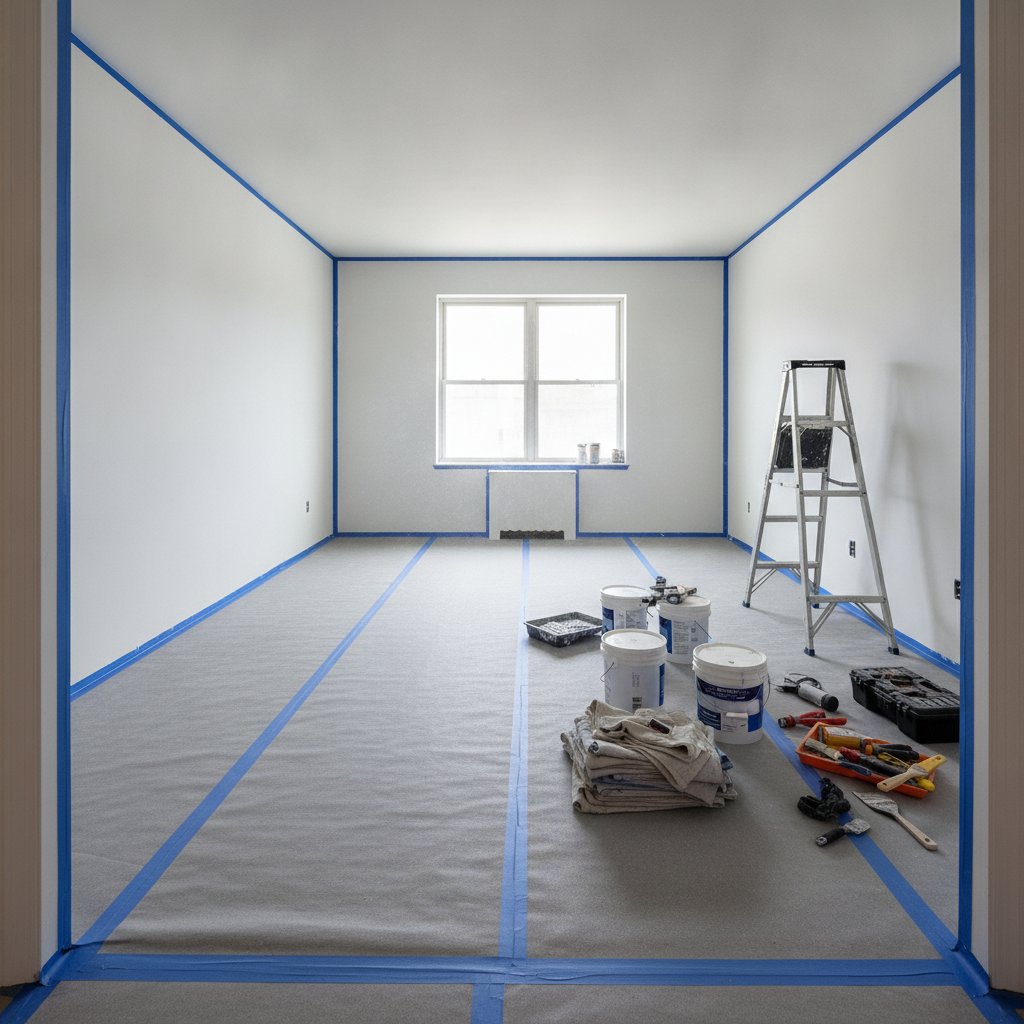
The apartment refresh game has shifted dramatically over the past year. What used to be a straightforward paint-and-patch situation now involves smarter materials, unexpected cost fluctuations, and a whole new set of priorities from homeowners. If you're planning a cosmetic renovation in 2024, here's what actually matters right now.
1. Moisture-Resistant Everything Has Become Standard
Forget relegating waterproof materials to just bathrooms and kitchens. The past year saw a massive spike in moisture-resistant drywall, paint, and flooring throughout entire apartments. Why? People learned the hard way during 2023's wild weather swings that humidity doesn't respect room boundaries.
Moisture-resistant gypsum board now costs only about 15-20% more than standard sheets, but it prevents that telltale yellowing and bubbling that ruins a fresh paint job within months. Same goes for vinyl plank flooring with waterproof cores—it's basically replaced laminate in 70% of cosmetic renovations. The upfront cost difference is roughly $2-3 per square meter, but you're not redoing warped floors in two years.
2. The Paint Color Palette Did a Complete 180
Those greige walls that dominated Instagram? Dead. 2024 brought back actual color, but not the way you'd expect. We're seeing deep terracottas, sage greens, and even navy blues as primary wall colors in living spaces. The shift happened because people realized neutral doesn't mean "fifty shades of beige."
Here's the practical bit: darker, saturated colors actually hide imperfections better than light neutrals. That slightly uneven wall texture? Invisible in a rich olive green. Glaringly obvious in pale gray. Plus, quality paint brands now offer one-coat coverage in these deeper shades, cutting labor time by 30-40%. Benjamin Moore's Century line and Sherwin-Williams' Emerald series actually deliver on this promise.
3. Electrical Outlet Placement Finally Got Rational
The standard Soviet-era outlet configuration—one per wall if you're lucky—doesn't cut it anymore. Smart cosmetic renovations in 2024 include adding outlets at desk height (75cm from the floor) and USB-integrated wall plates near beds and sofas.
This isn't just convenience theater. Surface-mounted power strips look terrible and create trip hazards. Installing additional flush-mounted outlets during your refresh costs about 1,500-2,000 rubles per outlet including materials and labor. Do it now while walls are open and you're already paying the electrician's visit fee. Trying to add them later means cutting into your fresh paint and wallpaper.
4. Baseboards Got Taller and Smarter
The skinny 5cm baseboards are out. Current installations run 8-12cm tall, and there's actual logic behind this trend. Taller baseboards hide the gap where flooring meets walls—crucial when you're installing vinyl plank or laminate that needs expansion space.
MDF baseboards with a durable paint finish have replaced cheaper plastic options in about 60% of projects. They cost marginally more (around 250-350 rubles per linear meter installed versus 180-220 for plastic), but they don't yellow, crack, or look obviously cheap. The white-painted MDF option also means you can repaint them if you change wall colors later, something impossible with PVC.
5. Wallpaper Made an Unexpected Comeback (But Different)
Not the floral nightmares from the '90s. Peel-and-stick wallpaper and modern textured options transformed accent walls from a weekend disaster into a four-hour project. The removable varieties cost 800-1,500 rubles per square meter but require zero special skills or paste.
The real winner? Paintable textured wallpaper. You install it once (covering minor wall imperfections in the process), then paint over it in whatever color strikes your fancy. When you want a change in two years, just repaint. This approach costs about 40% less than repeated skim-coating and painting bare walls every time you want a refresh.
6. Lighting Layers Became Non-Negotiable
Single ceiling fixtures are renovation malpractice in 2024. Every decent cosmetic update now includes at least three light sources per room: ambient (ceiling), task (desk or reading areas), and accent (wall sconces or LED strips).
LED strip lighting behind floating shelves or under kitchen cabinets costs roughly 500-800 rubles per meter installed, draws minimal power (about 7 watts per meter), and completely changes how a space feels. The difference between a room with only overhead lighting and one with layered sources is the difference between "hospital waiting room" and "place where humans actually want to spend time."
7. The Timeline Expectations Shifted Dramatically
A standard two-room apartment cosmetic renovation that took 3-4 weeks in 2022 now runs closer to 5-6 weeks. Material delivery delays, contractor scheduling conflicts, and the reality that everyone wants work done simultaneously created a bottleneck.
Smart planners now order materials 2-3 weeks before the start date and build in buffer time. That perfect tile you found online? Order it a month early. Your contractor says two weeks? Assume three. This isn't pessimism—it's the difference between a smooth project and living in chaos for an extra month because your baseboards are stuck in transit.
The cosmetic renovation landscape keeps evolving, but these shifts aren't just trends—they're responses to real problems people faced with older approaches. Plan accordingly, budget for the upgrades that actually matter, and you'll end up with a space that works instead of one that just looks okay in photos for six months.