Why most Косметический ремонт квартир projects fail (and how yours won't)
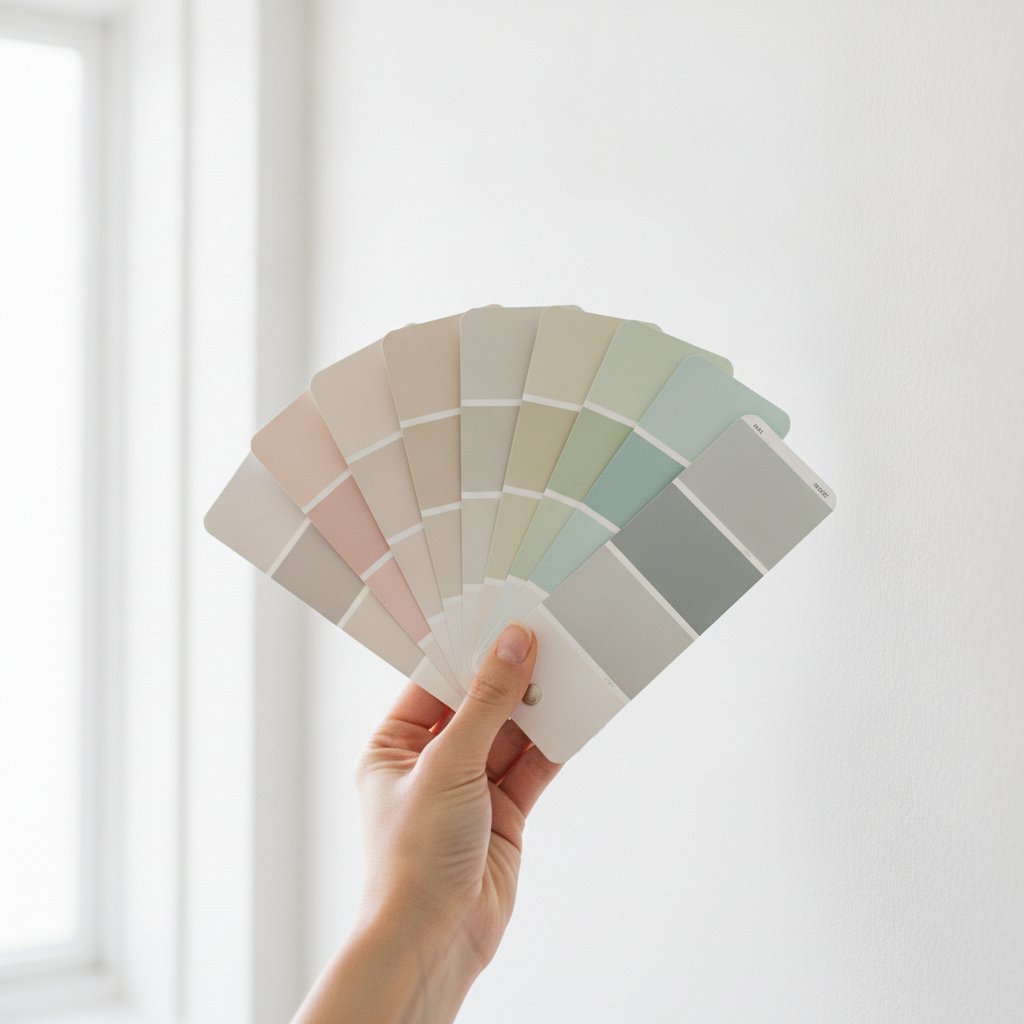
The Nightmare That Keeps Repeating: Why Apartment Cosmetic Renovations Go Sideways
You budgeted $8,000 for a simple apartment refresh. Three months later, you're $15,000 deep, living among half-painted walls, and your contractor hasn't returned your calls in a week. Sound familiar?
Here's the brutal truth: roughly 67% of cosmetic renovation projects exceed their original budget by at least 40%. And the timeline? Double what you planned, minimum. I've watched this train wreck unfold dozens of times, and the patterns are almost predictable.
The worst part? These disasters are completely preventable.
Why Your Apartment Refresh Turns Into a Money Pit
Most people think cosmetic renovations are straightforward. New paint, updated fixtures, maybe refinish the floors. How hard could it be?
That's exactly where things go wrong.
The Hidden Iceberg Problem
Your contractor peels back that outdated wallpaper and discovers the drywall underneath is damaged. The "simple" bathroom update reveals ancient plumbing that's one freeze away from bursting. What started as surface-level improvements suddenly requires structural work.
A friend recently learned this lesson the expensive way. Her $6,500 bathroom makeover ballooned to $12,300 when they found water damage behind the tiles. The kicker? She had zero contingency budget.
The Scope Creep Monster
You're already tearing up the floors, so why not extend into the hallway? Those light fixtures would look better if you updated the electrical outlets too. Before you know it, you've added seventeen "small" upgrades that weren't in the original plan.
Each addition feels minor. Cumulatively, they're devastating.
The Wrong Team Trap
Your cousin's friend does renovation work on weekends. He quoted 30% less than licensed contractors. Seemed like a smart move until he disappeared halfway through, leaving you with mismatched tile and electrical work that won't pass inspection.
Low bids often signal trouble. A contractor charging $45 per square meter when the market rate is $75 isn't giving you a deal—they're cutting corners you'll pay for later.
Red Flags You're About to Join the Failure Statistics
- Your contractor can't provide a detailed timeline with specific milestones
- The quote lumps everything into vague categories like "materials" and "labor"
- You haven't allocated at least 20% contingency budget
- No one has actually assessed what's behind your walls or under your floors
- You're making material selections as work progresses instead of beforehand
- Payment terms require more than 10% upfront
The Step-by-Step Blueprint That Actually Works
Step 1: Get a Real Assessment (Week 1-2)
Before any quotes, hire someone to investigate what you're actually dealing with. This costs $300-600 but saves thousands. They'll check behind outlets, inspect under sinks, and identify problems before they become mid-renovation emergencies.
Document everything with photos. This becomes your baseline.
Step 2: Lock Down Your Scope—And Your Impulses (Week 2-3)
Write down exactly what you're renovating. Get specific: "Repaint living room and bedroom in Sherwin Williams Agreeable Gray" not "update paint." Choose all materials, fixtures, and finishes now.
Create a separate "Phase 2" list for anything tempting that's not essential. You can tackle it later if budget allows.
Step 3: Get Three Detailed Quotes (Week 3-5)
Not estimates. Quotes. With itemized costs, specific materials listed by brand and model, and a day-by-day timeline.
The middle quote isn't always best, but the cheapest one is usually trouble. Look for contractors who ask questions, point out potential issues, and explain their process.
Step 4: Build Your Safety Net (Before Work Starts)
Add 25% to whatever your quote says. If your contractor quoted $10,000, have $12,500 available. This isn't pessimism—it's survival.
Also set aside another 10% in a completely separate account for living expenses if work runs long. Eating takeout for an extra month adds up fast.
Step 5: Structure Payments Around Milestones (Throughout Project)
Never pay more than 10% upfront. Structure remaining payments around completed milestones: 25% after demolition, 35% after installation, 30% upon completion and inspection.
This keeps contractors motivated and gives you leverage if issues arise.
Keeping Your Project on the Rails
Visit the site every other day, but don't hover. Take photos to track progress. Keep a running list of questions instead of texting your contractor seventeen times daily.
When changes seem necessary mid-project, pause. Get a written change order with cost and timeline impacts before proceeding. That "quick fix" might add two weeks you didn't plan for.
Most importantly, accept that something unexpected will happen. The difference between projects that succeed and those that implode isn't avoiding problems—it's having the buffer to handle them without panic.
Your apartment refresh doesn't have to become a cautionary tale. It just needs realistic planning, honest budgeting, and the discipline to stick to your scope. Boring? Maybe. But so is living in a construction zone for six months because you cut corners on the front end.